
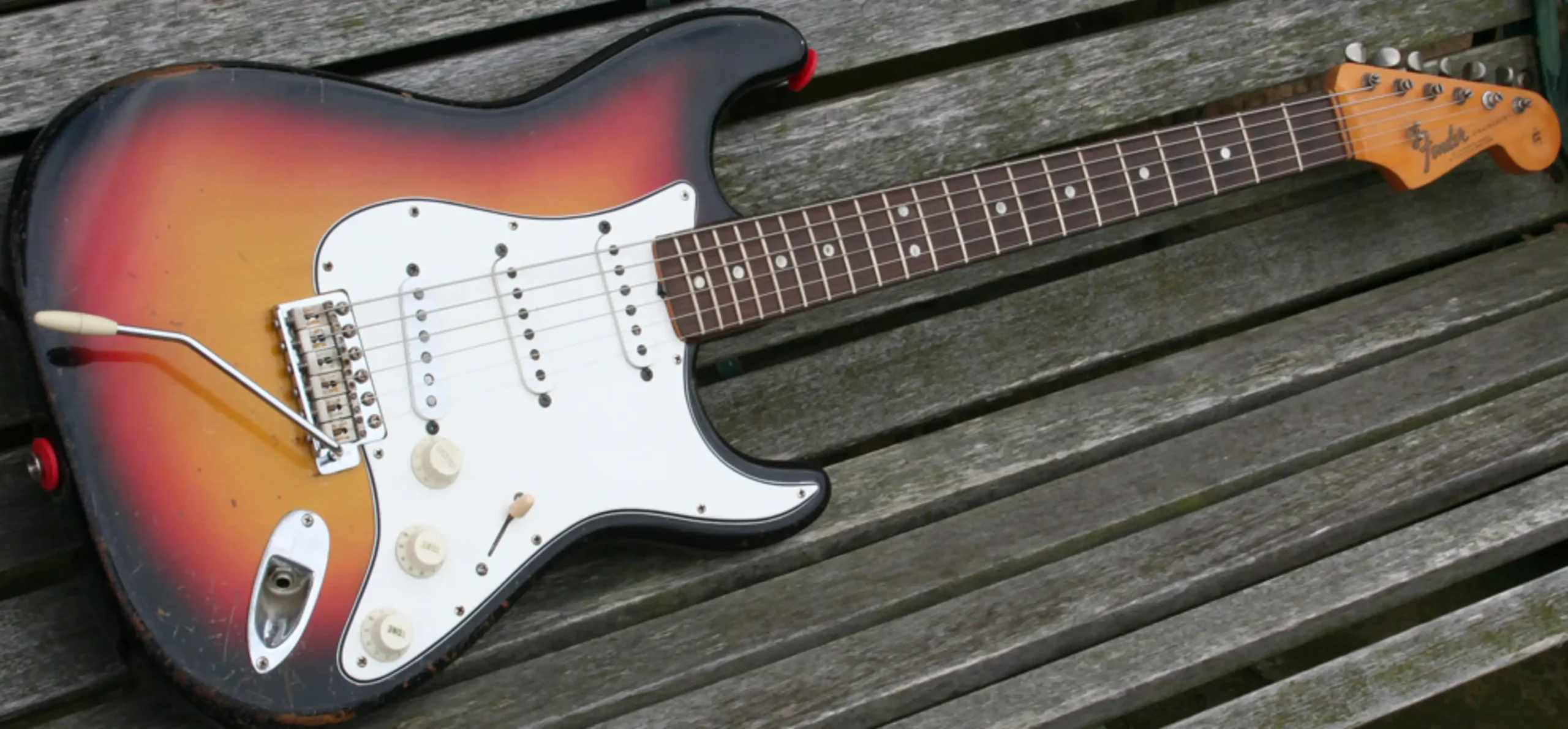
Mojo Pickups Stratocaster Review: The Obsessive Quest for Vintage Accuracy
If you move in the circles of tone purists and boutique builders, the name Mojo Pickups carries a certain weight. Based in the UK, Marc Ransley has built a reputation that transcends simple “boutique” status. He is, by all accounts, an obsessive in the best possible sense.
When it comes to Stratocaster pickups, Mojo doesn’t just aim for “vintage-style”; Marc aims for vintage-identical. Here is a deep dive into why these pickups are widely considered the most historically accurate recreations on the market today.
The Obsessive Hunt for Vintage Accuracy
Most pickup winders buy off-the-shelf components and focus on the winding pattern. Marc Ransley took a different path. Realising that modern “vintage-spec” parts often lacked the chemical composition and physical dimensions of the 1950s and 60s originals, he embarked on a years-long quest to source and manufacture historically correct hardware.
1. The Magnets:
While many manufacturers use generic Alnico magnets, Mojo uses magnets cast to specific vintage formulations.
-
The Bevel: Early 50s and 60s Strat magnets had specific, often irregular hand-ground bevels. Mojo recreates these aesthetic and functional nuances.
-
The Charge: Rather than a full modern saturation, Mojo magnets are “de-gaussed” (partially demagnetised) to mimic the natural magnetic decay found in a 60-year-old instrument. This results in that “sweet” top end and compressed “quack” that defines a vintage Strat.
-
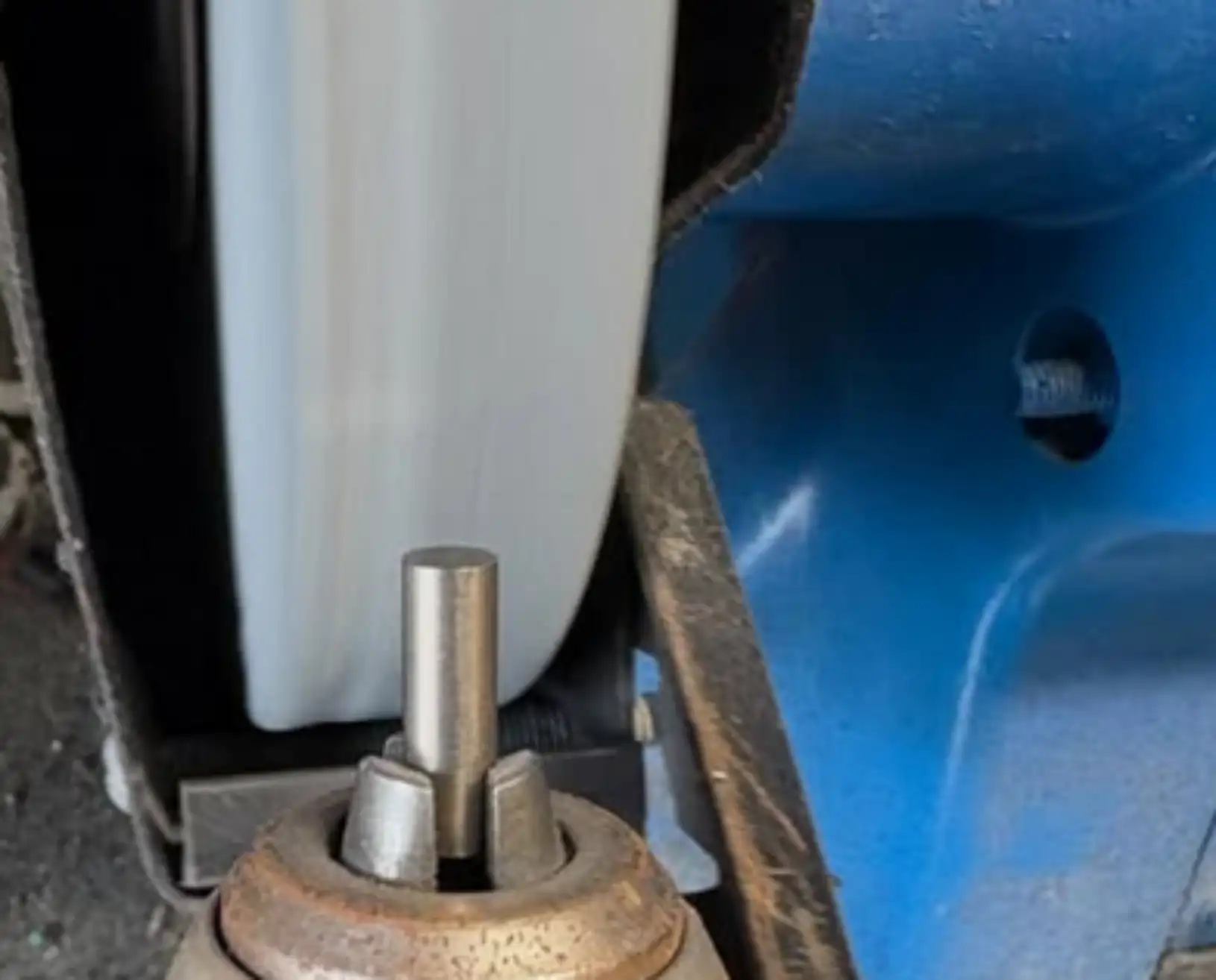
Marc Bevelling, Alnico rod magnets.
2. The Wire: Heavy Formvar and Plain Enamel
The insulation on the copper wire is the secret sauce of Strat tone.
-
Pre-1964: Mojo uses US-Made Heavy Formvar wire, which is thicker and creates more space between the copper winds, resulting in the bright, glassy 50s chime.
-
Post-1964: For the “Grey Bottom” era, they switch to Plain Enamel, which offers the punchier, slightly grittier mid-range heard in late-60s recordings.
The Devil in the Detail: Punched vs. Laser-Cut Flatwork
When you’re shelling out for a set of boutique pickups, you aren’t just paying for copper and magnets; you’re paying for a philosophy. One of the most granular examples of this obsession is the construction of the pickup bobbins—specifically, how the vulcanised fibreboard (the “flatwork”) is shaped.
The Aesthetics of the Edge
In the modern manufacturing world, laser cutters are a godsend. They are precise and fast. However, if you look at a vintage 1960s Stratocaster pickup under a magnifying glass, you won’t find the tell-tale signs of a laser.
-
Laser Cutting: This works by burning through the material. It leaves a perfectly vertical, often charred edge. On a black fibreboard bobbin, it can look a bit too “clinical,” and on grey-bottom pickups, the dark burnt edge is a dead giveaway of modern production.
-
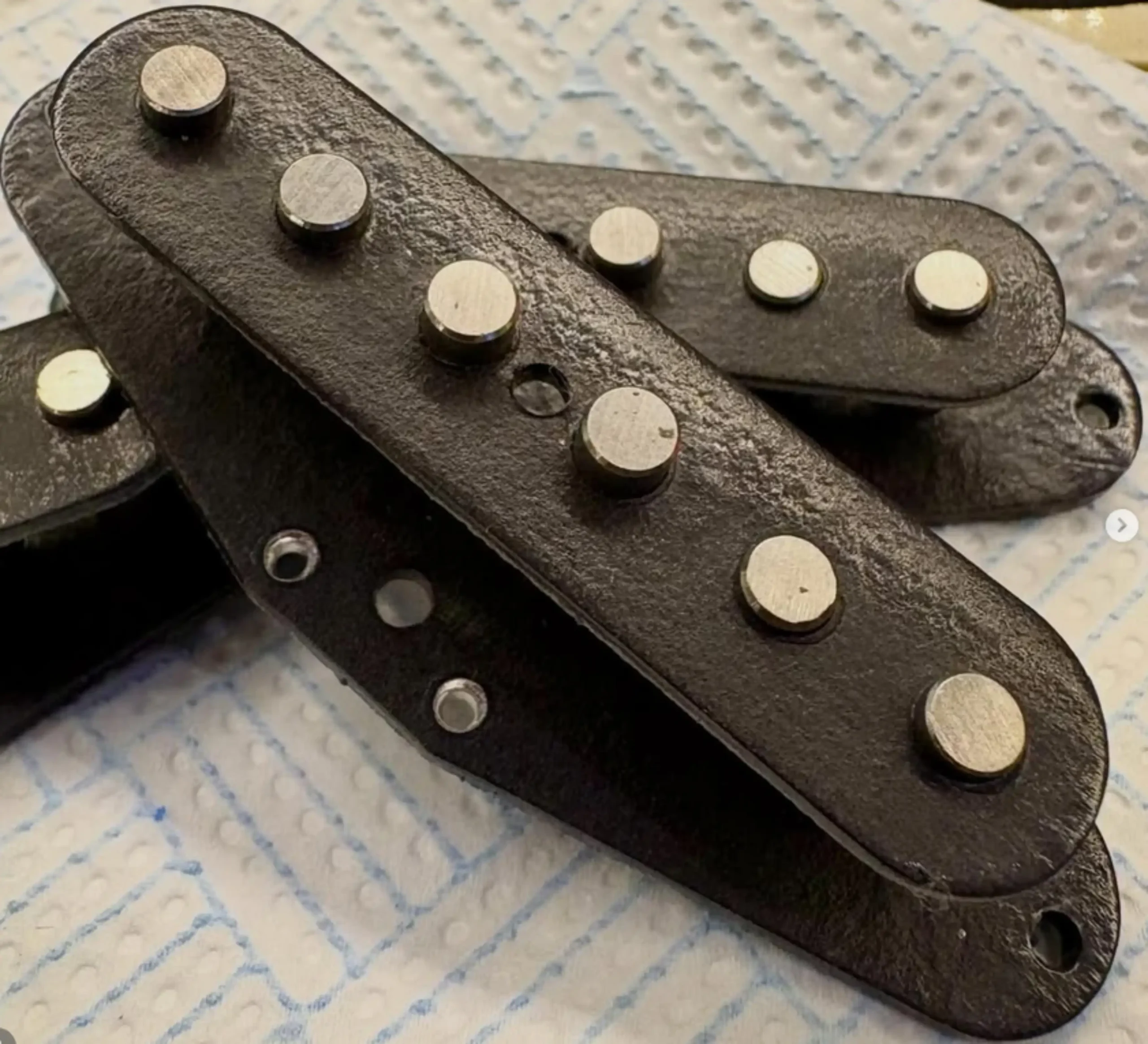
Die-Punching: This is how it was done in the original Fullerton factory. A metal tool physically punches the shape out of a sheet of fibreboard. This creates a slightly “rolled” edge where the tool enters the material and a clean, compressed finish.
Does it change the sound? To be candid: No. The electrons flowing through the copper wire don’t know the difference. However, for Mojo, it’s about the integrity of the recreation. If you are building a high-end replica, seeing charred laser marks on a bobbin feels like a “glitch in the Matrix.” It’s an obsessive, labour-intensive detail that ensures the pickup is a 1:1 physical clone.
Mojo Pickups, Die Pressed and Lacquer dipped bobbins.
Construction Techniques: The “Human” Element
In the golden era of Fender, pickups were hand-guided on a machine. Mojo Pickups avoids the sterile perfection of CNC winding.
Hand-Wound (Scatter-Wound) Excellence
By manually guiding the wire onto the bobbin, Marc introduces scatter. This technique reduces “inter-layer capacitance.” In layman’s terms, it allows more high-end frequencies to pass through, preventing the pickup from sounding muddy or “choked.”
Correct Potting Processes
Modern pickups are often vacuum-potted in wax until every air pocket is gone, which can kill the harmonic liveliness. Mojo uses a light paraffin and beeswax mix, potting just enough to prevent microphonic feedback while retaining the “micro-phonic” resonance that makes a guitar feel alive under your fingers.
Comparison: Mojo vs. Mass-Produced “Vintage” Pickups
Which Mojo Strat Set is Right for You?
-
The ’50s Clone [Click Here]: Utilises Alnico 3 magnets and Heavy Formvar wire. Perfect for Buddy Holly-style chime and “bell-like” cleans.
-
The ’60s Clone [Click Here]: Uses Alnico 5 and Plain Enamel wire. This is the “SRV” or “Hendrix” sound—throaty, bold, and incredibly responsive to your volume knob.
Final Verdict
Mojo Pickups are not merely replacements; they are a restoration of soul. Marc’s obsessive attention to the chemical makeup of the magnets, the tension of the wind, and even the physical method of punching the fibreboard ensures that when you plug in, you aren’t just hearing a guitar—you’re hearing the 1950s and 60s exactly as they were intended to sound.
If you are chasing the “Holy Grail” of Stratocaster tone, your search likely ends in a small workshop in the UK.
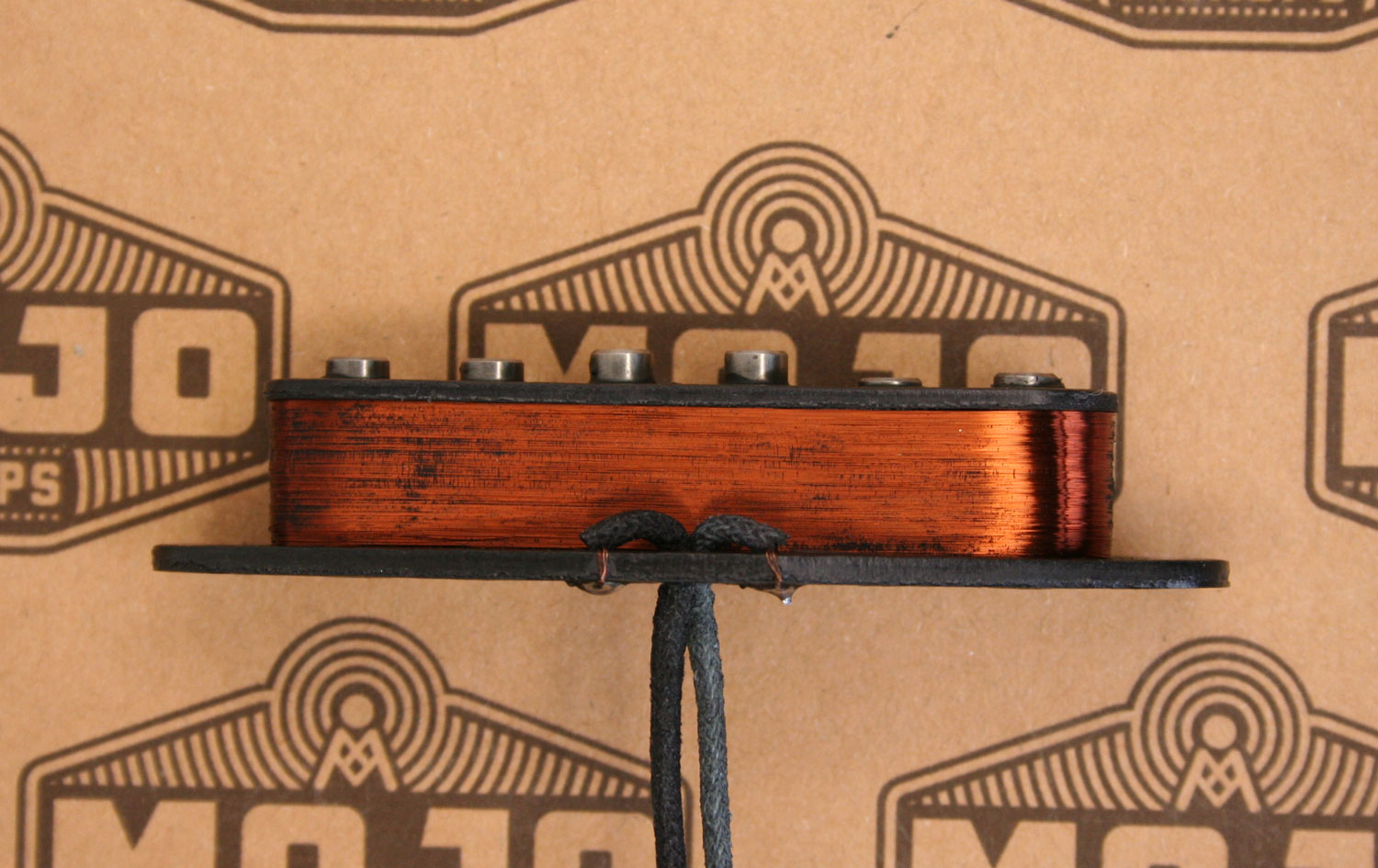
Mojo Pickups Aged 60s Strat, Alnico 5, Heavy Formvar, Potted in Black Wax.